
Ectopic Pregnancy Treatment
Ectopic Pregnancy Treatment
Ectopic pregnancy is a serious medical condition in which a fertilized egg grows outside the uterus, most commonly in the fallopian tube. Since the pregnancy cannot develop normally outside the uterus, it can cause severe complications if not treated early. Timely diagnosis and proper medical care are essential to protect the health and safety of the mother. Hospitals with experienced gynecologists and advanced medical facilities provide effective diagnosis and treatment for ectopic pregnancy.
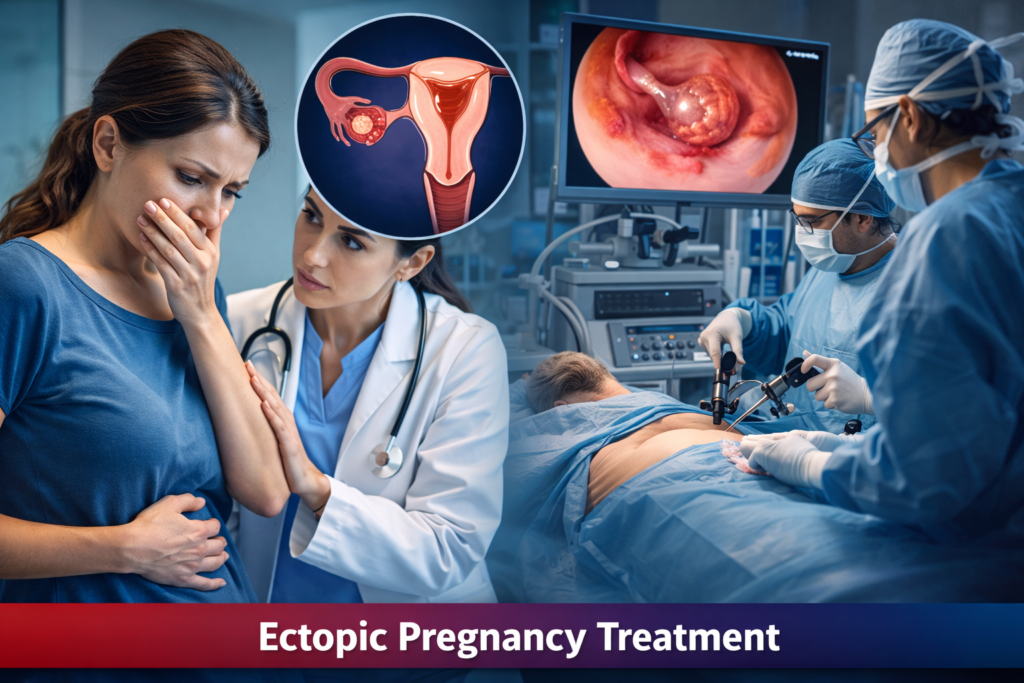
The early symptoms of ectopic pregnancy may include abdominal pain, vaginal bleeding, dizziness, shoulder pain, and weakness. In some cases, women may also experience missed periods or pregnancy symptoms similar to a normal pregnancy. If the condition is not treated in time, it may lead to rupture of the fallopian tube and internal bleeding, which can become life-threatening. Therefore, immediate medical attention is extremely important.
Diagnosis of ectopic pregnancy is usually done through ultrasound scans, blood tests, and physical examination. These tests help doctors identify the location of the pregnancy and determine the severity of the condition. Early detection allows doctors to choose the most suitable treatment option and prevent serious complications.
Treatment for ectopic pregnancy depends on the stage of the condition and the overall health of the patient. In early cases, medication may be used to stop the growth of the pregnancy safely. However, if the pregnancy has progressed or there is a risk of rupture, doctors may recommend minimally invasive laparoscopic surgery to remove the ectopic tissue and control bleeding. Modern surgical techniques help reduce pain, minimize scarring, and support faster recovery.
Comprehensive care also includes post-treatment monitoring and counseling to ensure the patient’s well-being and future reproductive health. With early diagnosis, expert medical care, and advanced treatment methods, ectopic pregnancy can be managed safely while protecting the patient’s health and fertility.